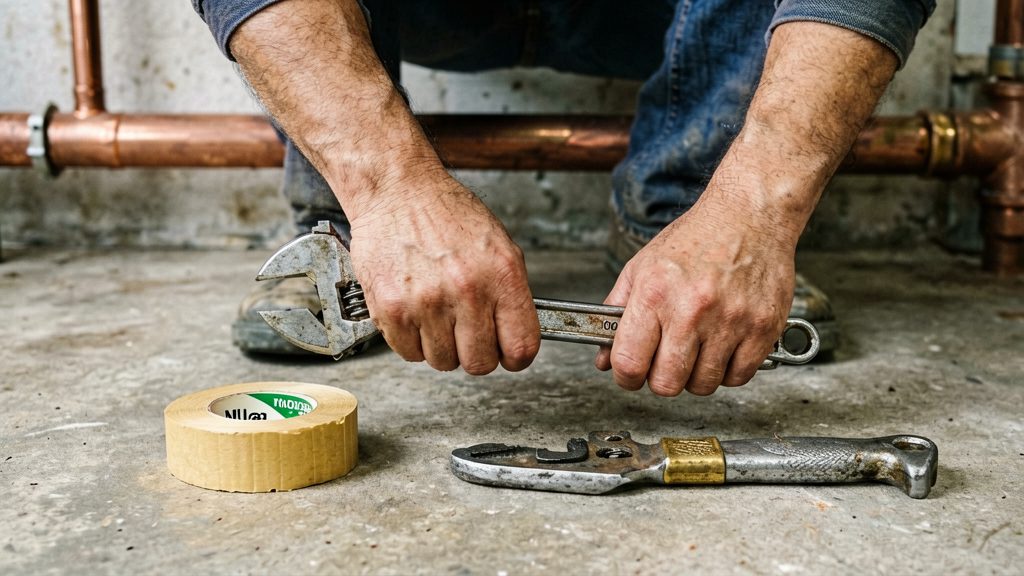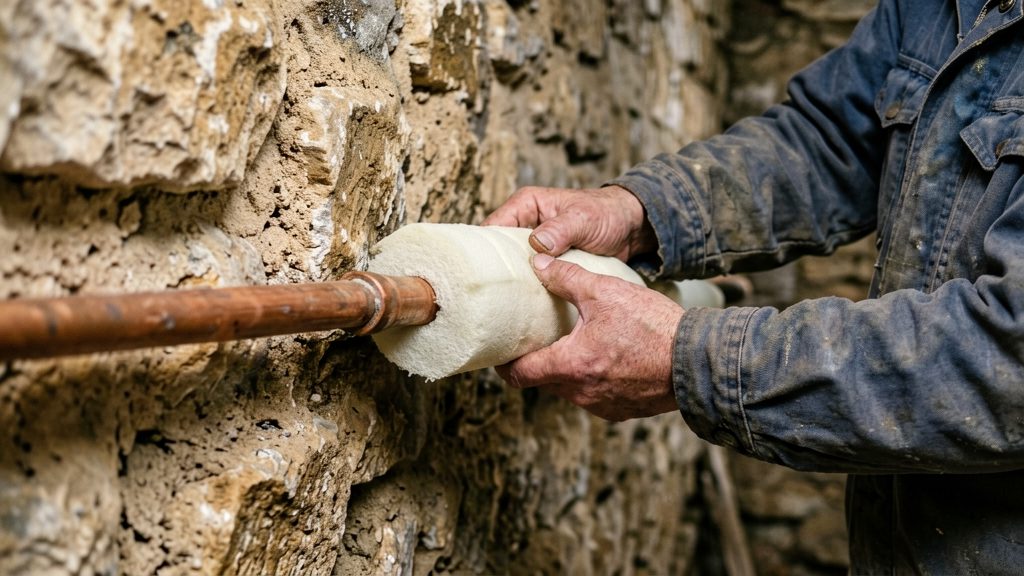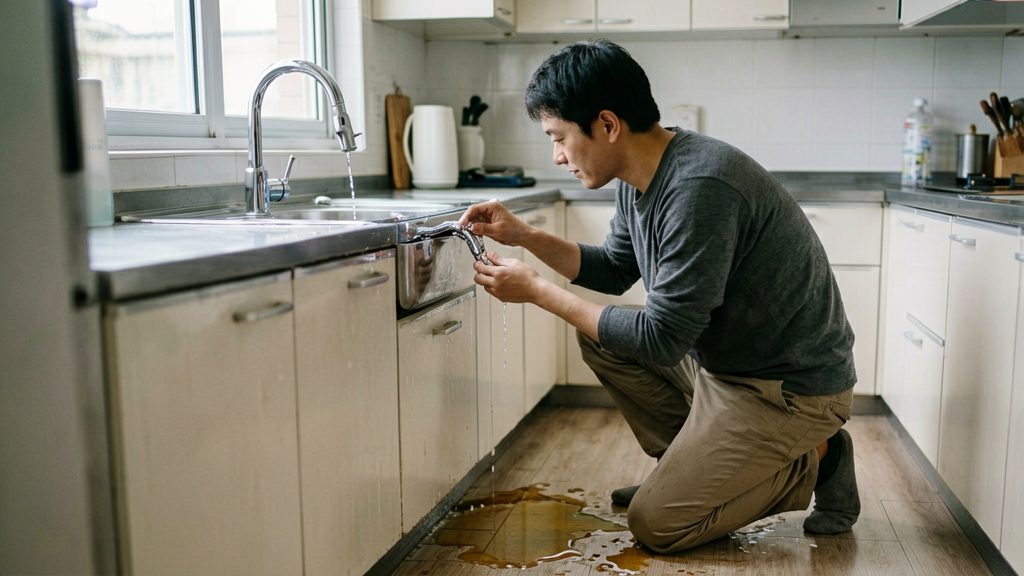
Contact your landlord, managing agent, or superintendent as soon as you notice a plumbing fault, including damp spots and slow leaks. In New York City, official guidance is to report apartment water leaks to the landlord, managing agent, or superintendent before filing a housing complaint with 311. Heavy leaks, slow leaks, and damp spots are all conditions you can report. Reporting early and in writing gives you a record if the repair stalls.
When Should You Call Your Landlord?
The Landlord’s Duty to Keep Plumbing Safe
In New York State, the Attorney General states that landlords of multiple dwellings must maintain plumbing and sanitary systems in good and safe working order. Reasonable repair time depends on how severe the problem is. In Texas, tenants can demand repairs for conditions that materially affect physical health or safety. The Texas Attorney General notes exceptions for damage caused by tenants, household members, or guests beyond normal wear and tear.
Who is responsible for a specific fault depends on the applicable law, the lease, and what caused the problem. A clog or leak is not automatically the landlord’s job.
Who to Contact First
Start with the person who handles repairs in your building: the landlord, managing agent, or superintendent. NYC housing officials advise tenants to report repair needs to management.
Reporting Threshold for Leaks and Moisture
Report anything that suggests water is escaping, even if it looks minor. The table below lists the signs named in the sources.
| Condition | Status in the sources |
|---|---|
| Damp spots | Reportable to the landlord under NYC311 guidance |
| Slow leaks | Reportable under NYC311 guidance |
| Heavy leaks | Reportable under NYC311 guidance |
| Puddles, water spots, or leaks at pipe connections beneath sinks | Signs to investigate, according to the U.S. EPA |
| Dripping faucets | Sign to investigate, according to the U.S. EPA |
The EPA recommends addressing identified leaks as soon as possible, because a small leak can be the first visible sign of a larger problem.
Rules Differ by Jurisdiction
In Texas, the Attorney General notes that the state presumes seven days is a reasonable time for a landlord to make diligent repair efforts after receiving notice. This presumption can be rebutted, and specific notice requirements apply.
Which Plumbing Problems Need Immediate Attention?
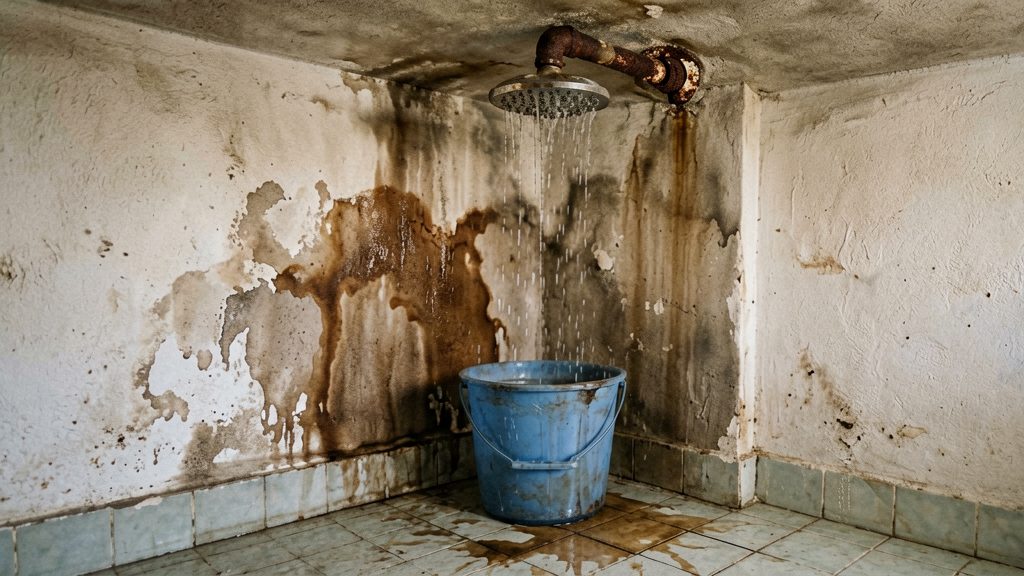
Treat an active leak as urgent when water can reach electrical equipment, when it is spreading or getting heavier, or when it threatens the structure of a ceiling or floor. Slow drips and damp spots still need a report to the landlord, but they rarely need action within the hour. The ranking below is practical guidance, not an official classification.
Active leaks near outlets or fixtures
Water and mains electricity are a dangerous combination. If water reaches an outlet, switch, light fitting, or appliance plug, do not touch the wet item or the wall around it. Switch off power only if the breaker panel is dry and safely accessible without entering water or touching wet electrical equipment. Otherwise, leave the area and call for help. Have water-damaged electrical equipment inspected by a qualified electrician before power is restored. If you cannot isolate the power safely, leave the area and call emergency services.
Shutting off water during an active leak
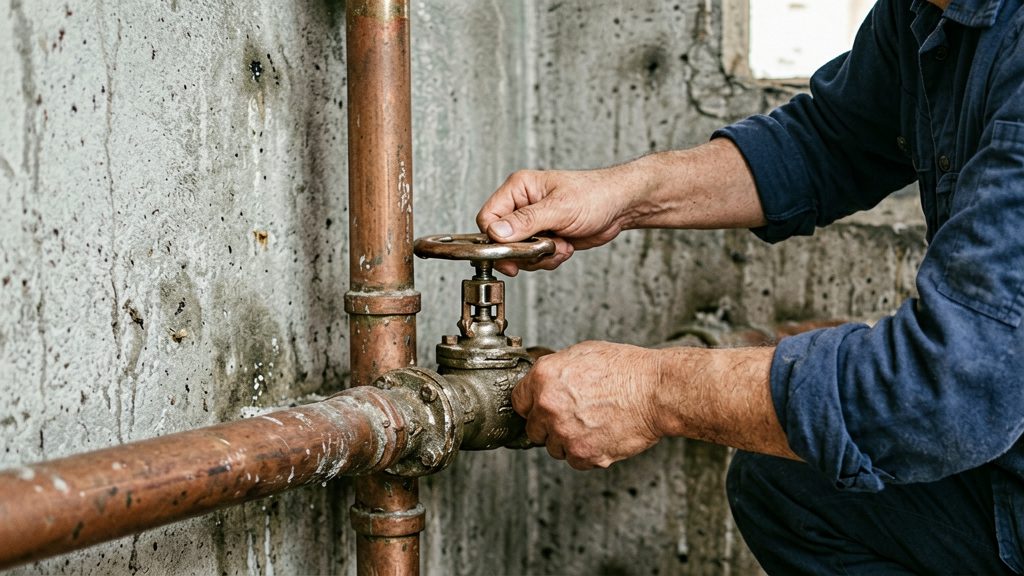
Check for immediate danger before approaching the leak. Shut off the water only if you can safely reach the valve; otherwise, leave the affected area and call for help. Turn the local shut-off valve under the affected sink, or behind the toilet, clockwise until it stops. If the leak comes from a supply pipe or the local valve does not stop it, close the main shut-off valve, usually where the water line enters the home. Once the flow has stopped, photograph the damage and note the time before cleaning up, since these records support any repair request.
When to call emergency services
According to New York City 311, residents should call 911 when a water leak presents immediate danger. Elsewhere, use the local emergency number. Call emergency services when:
- water has reached live electrical equipment you cannot isolate
- a ceiling or wall is bulging, sagging, or cracking under water weight
- water is pooling near a gas appliance, or you smell gas (leave the area first, then call the gas utility or emergency number)
Urgency at a glance
| Situation | Immediate action |
|---|---|
| Water touching outlets, switches, or light fittings | Cut power at the breaker if safe; call emergency services if you cannot isolate it |
| Heavy or spraying leak from a supply pipe | Close the main shut-off valve, then report to the landlord |
| Leak at a pipe connection under a sink | Close the local valve, then report to the landlord |
| Dripping faucets, puddles, or water spots | Report to the landlord in writing |
Check your own lease and local rules rather than assuming any fixed timeline applies to you.
Leaking Faucets and Running Toilets
Faucet and toilet leaks often run for weeks before anyone notices, because they produce little visible water. Tenants can check the taps, toilets, and cabinets below sinks, and report problems before the damage spreads.
Drips and Leaks at Sink Pipe Connections
A dripping faucet is the most obvious sign, but leaks often start unseen at the joints under the basin. Open the cabinet and check:
- Puddles or wet flooring at the back of the cabinet
- Water spots or staining on the cabinet base or the bottom of the supply lines
- Moisture where the supply lines and drain pipe meet their fittings
To confirm a slow leak, dry the joints with a towel, place a dry paper towel under them, run the tap for a short time, and then inspect the towel. A damp towel shows the leak is active.
Overflow Tube Water and Running Toilets
The overflow tube is the vertical pipe inside the toilet tank. According to the EPA, a constantly running toilet, a toilet that will not flush, or water continuously entering the overflow tube warrants further investigation or help from a plumber. To check, lift the tank lid and look at the water level relative to the top of the overflow tube. Listen for hissing or trickling while the toilet is idle.
Food Coloring Test for Tank Leaks
The EPA’s leak check for toilets uses a food coloring test:
- Remove the tank lid and add a couple of drops of food coloring, or place a dye tablet, in the tank.
- Leave the toilet unflushed for 10 minutes.
- Check the bowl. Color appearing in the bowl indicates a leak from the tank.
Reporting What You Find
Describe each sign to the landlord, managing agent, or superintendent in writing, and state where and when you saw it.
Clogged Drains and Unusable Toilets
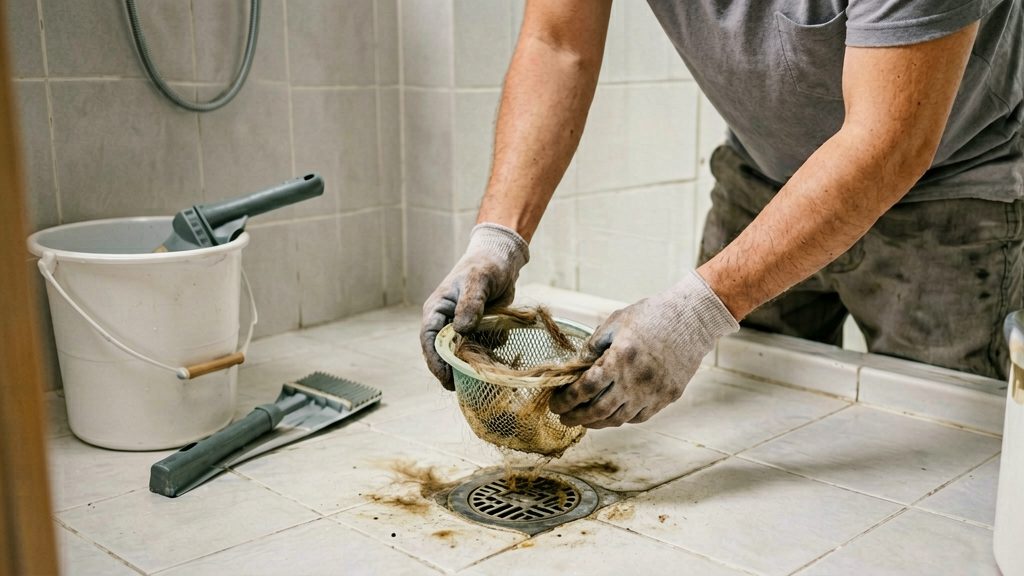
A toilet that will not flush, or any sewage backing up into a fixture, should be reported to the landlord straight away. A slow drain or a small leak under a sink can be reported as soon as it is noticed. Tenants can usually handle a first attempt at a simple drain clog, but they should not attempt repairs on a toilet that is overflowing or backing up.
| Situation | First step |
|---|---|
| Toilet that will not flush | Report to the landlord. |
| Sewage backup or overflowing toilet with immediate danger | Call 911. |
| Slow drain, trap leak, or damp spot under a sink | Report to the landlord as soon as possible. |
Toilet that will not flush
Stop flushing and avoid adding water to a bowl that is already blocked. Report the problem in writing so there is a dated record.
Sewage backup and overflow
Keep people and pets away from the affected area and do not use nearby fixtures until the problem is resolved. No single national classification for sewage backups was established, so whether a backup is an emergency depends on the situation and local rules. Treat any active overflow as urgent.
Trap and drain blockages
A slow drain can be reported to the landlord even when it is not yet a leak.
Reporting and keeping records
No Hot Water or Low Pressure
Start by checking how many fixtures are affected. A weak or cold flow at one tap usually points to something local, such as a clogged aerator or a fault in that fixture’s valve, which a tenant can often inspect. When hot water or pressure is missing throughout the unit, the cause more likely lies in the supply or the water heater, which is typically the landlord’s responsibility.
Whether One Fixture or the Whole Unit Is Affected
| Pattern | Likely location | Who to contact |
|---|---|---|
| One tap weak or cold, others normal | The fixture: aerator, cartridge, or valve | Tenant can clean the aerator; report a persistent fault |
| Several fixtures in one unit affected | Unit supply line or water heater | Landlord or managing agent |
| Neighbouring units also affected | Building supply or shared equipment | Landlord or building management |
In New York City, owners must provide hot and cold water, and according to the New York City Department of Housing Preservation and Development (HPD), tenants without hot water should file a complaint through 311.
Low Pressure from Clogged Aerators and Valves
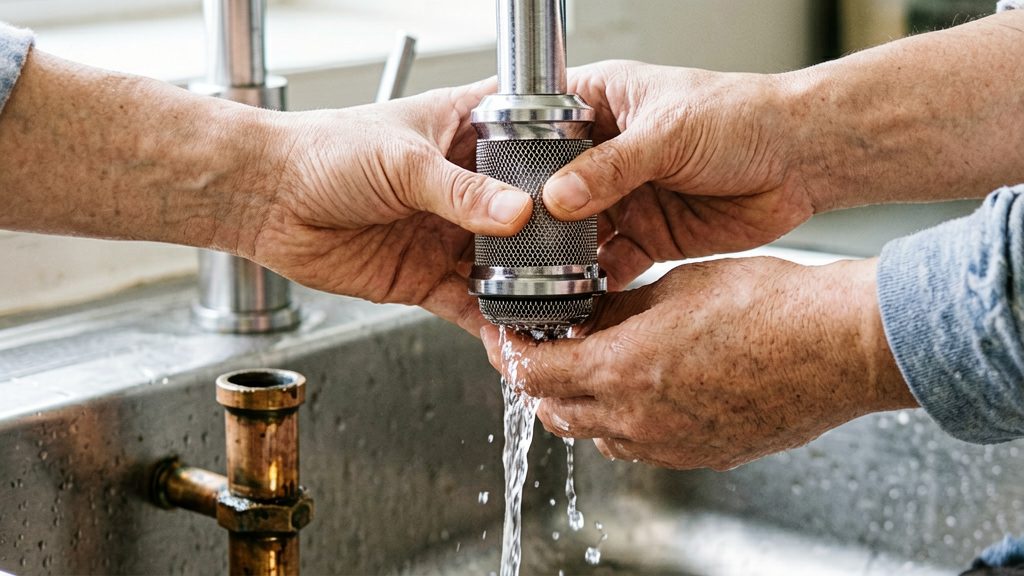
An aerator is the small mesh screen at the tap outlet. Mineral deposits and debris collect in it and reduce flow at that tap only. To clean it:
- Check the faucet manufacturer’s instructions before removing the aerator. Some unscrew by hand, while others require a dedicated key; do not force it with pliers.
- Remove the mesh and washer, then rinse them under running water. Use a soft brush for stubborn deposits.
- Reassemble in the same order and test the flow.
If flow stays weak after cleaning, possible causes include a restricted supply line, a partly closed or faulty shut-off valve, or a problem inside the fixture. Report the persistent low flow to the landlord rather than assuming the cartridge or valve seat is responsible. Repairing these parts involves dismantling the fixture, so report the fault to the landlord or call a licensed plumber rather than forcing the mechanism.
Water Heater Checks and Gas Safety
Report a loss of hot water promptly, and tell the landlord whether it affects one fixture or the whole unit; you do not need to confirm the cause first. If no hot water comes from any tap, check whether the unit has an electric supply: an electric heater whose breaker has tripped may simply need the breaker reset, but if it trips again, report the fault. Do not attempt internal repairs on any water heater.
Report any water heater fault to the landlord in writing. Gas appliance repair is licensed work, so the landlord or a licensed plumber should handle it.
How to Document a Repair Request
A dated record shows what the defect is, when you first saw it, and who you told. Start it at the first sign of trouble, since a landlord, managing agent, or housing agency will look for dated evidence.
Timestamped photos and video of each defect
Photograph or film each defect separately: the dripping tap, the damp patch, the water spot, the connection under the sink. Take one wide shot that shows the location and one close shot of the leak source. Keep the original files rather than screenshots or compressed copies, so the capture date stays with each file.
For a running toilet, the EPA’s dye check can confirm a leak. Add a couple of drops of food coloring or a dye tablet to the tank. Color appearing in the bowl after 10 minutes indicates a leak. Film the bowl, note the time, then flush to avoid staining.
A dated log of every repair contact
Log each contact on the day it happens: date, time, method (phone, text, email, or in person), the person reached, and what was said or agreed. Include unanswered calls and messages, since they are part of the record.
HPD advises tenants to keep copies and records of contact attempts.
A written request listing each problem
Send one written message that lists each defect on its own line: location, what you observed, and when you first noticed it. Refer to the photos and videos by their dates. Keep a copy of the message as sent.
Name each condition clearly. Reuse the same wording in later messages so the record reads consistently.
Rules on which contacts or written formats count can depend on your location and lease, so check your local housing agency’s guidance.
Who Pays for Plumbing Repairs?
Who pays for a plumbing repair depends on what caused the problem, what the lease says, and which state or city law applies. No single national rule settles the cost, so establish the cause and read the written agreement before paying for a repair or withholding any rent.
Damage Caused by the Tenant
In Texas, the Attorney General notes that the landlord’s repair duty has an exception for damage caused by tenants, household members, or guests beyond normal wear and tear (Office of the Attorney General of Texas). Where that exception applies, the cost of fixing the damage can be charged to the tenant. When reporting possible tenant-caused damage, describe what you observed and any known incident without guessing the cause or accepting liability. If responsibility or repair charges are disputed, seek legal advice before agreeing to pay.
Check the Lease for Plumbing Clauses
The lease terms are the first document to check. Look for clauses that:
- Assign repair or maintenance duties for fixtures, drains, or water heaters.
- Distinguish damage caused by occupants from general repairs.
- Specify how repair requests must be sent, such as in writing or by certified mail.
Keep a signed copy of the lease and any amendments, since the wording determines how a dispute is argued.
Deducting Repair Costs From Rent
A general right for tenants to hire a plumber, deduct the cost from rent, or withhold rent cannot be assumed. These remedies depend on local law. In Texas, the Attorney General advises consulting an attorney before pursuing repair-and-deduct, lease termination, or court remedies after a landlord fails to make required repair efforts (Office of the Attorney General of Texas).
What if Your Landlord Doesn’t Respond?
If your landlord ignores a plumbing repair request, put the problem in writing, send a certified letter that sets a repair date, keep copies of everything, and then escalate to your local housing or code enforcement office. Whether a delay is unreasonable depends on how serious the problem is and on the rules where you live, so the exact timeline is not the same everywhere.
Send a Certified Letter With a Repair Deadline
NYC housing officials advise tenants to follow unanswered repair requests with a certified letter that describes each problem and asks for a specific repair date (New York City Department of Housing Preservation and Development). Name each issue separately, such as “bathroom sink drain blocked” or “kitchen tap dripping at the base,” and state the date by which you expect the work to be done. Keep a copy of the letter and any proof of mailing.
Judge What Counts as a Reasonable Repair Time
A slow drip can reasonably wait longer than a leak that is soaking a floor or a toilet that will not flush at all.
Escalate to Housing or Code Enforcement
Owners must provide hot and cold water, and if you have no hot water, HPD directs you to file a complaint through 311 (New York City Department of Housing Preservation and Development).
Outside New York City, search for your city or county housing or code enforcement office and check its complaint process. Each jurisdiction sets its own procedure.