What size shut-off valve fits a kitchen sink?
The shut-off valve, usually called an angle stop, must match the supply pipe it connects to, so the inlet size is set by the supply pipe and the outlet size by the faucet’s supply line. Before buying, measure the outside diameter of the supply pipe, confirm its material, and check that the valve’s pressure and temperature ratings suit your plumbing. A BrassCraft kitchen-sink angle stop, for example, has a 1/2 in. nominal compression inlet and a 3/8 in. O.D. compression outlet, and it fits copper or PEX pipe. Measuring first avoids buying a valve that will not seal on the pipe.
Match the valve to the supply pipe
A valve only works if its inlet fits the pipe coming out of the wall or floor. Choose the connection type to suit the pipe, then confirm the size.
Measure the outside diameter
Compression fittings grip the outside of the pipe, so measure the outside diameter (O.D.) with a tape or caliper rather than relying on the nominal name. Take the reading on a clean, undamaged section of pipe, away from bends and solder joints. The printed inlet size is a nominal name, not a direct measurement, so it will not match your reading exactly. For example, 1/2 in. nominal copper pipe is typically about 5/8 in. O.D. (per retailer listings). Check the packaging for the pipe type and size the valve is made for.
Check pressure and temperature ratings
Read the rating on the valve before installing it. The BrassCraft kitchen-sink angle stop is rated 40–160°F and 125 psi maximum, for indoor potable-water use. It is not meant for recirculating systems with continuous temperatures above 115°F. If your home’s conditions fall outside those limits, look for a valve rated for them, and check the manufacturer’s instructions.
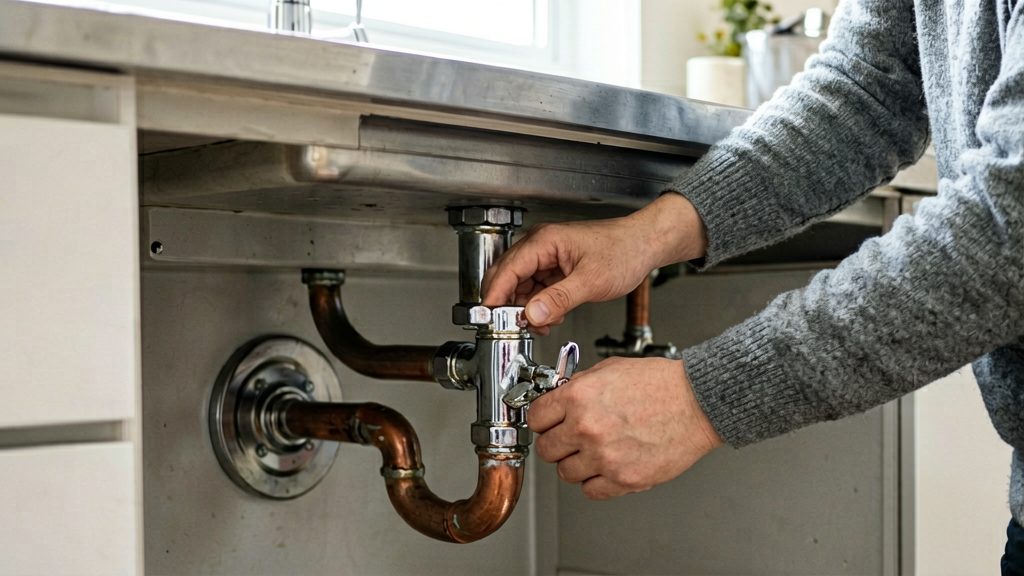
Inlet versus outlet: what the two sizes mean
A kitchen sink angle stop such as the BrassCraft example has two different sizes because each side connects to a different line. The inlet takes water from the household supply pipe, and the outlet feeds the faucet’s supply line. On the BrassCraft kitchen-sink angle stop, the inlet is a 1/2 in. nominal compression connection and the outlet is a 3/8 in. outside-diameter (O.D.) compression connection (BrassCraft, 2026).
The two sizes are labelled differently for a reason:
- Inlet (nominal size): A nominal size is a trade name for the pipe, not a direct measurement.
- Outlet (O.D. size): The 3/8 in. figure is the measured outside diameter of the tube the faucet line slides or compresses onto, so it can be checked directly with a measuring tool.
Each side connects as follows:
- Inlet: Connects to the supply pipe. The BrassCraft valve works with copper or PEX (BrassCraft, 2026).
- Outlet: Connects to the faucet supply line.
How do I identify my supply pipe type?
Identify the supply pipe by its material and how it is joined. Start by checking for printed markings on the exposed pipe, then look at the cut end and the joints. If the pipe is ferrous, a magnet will help separate galvanized steel from copper. The result tells you which valve connection to buy, because each pipe type needs a different fitting.
| Pipe type | What to look for |
|---|---|
| Copper | Bright, copper-coloured metal; solder beads at sweated joints |
| PEX | Flexible plastic tube; metal crimp rings at fittings |
| Galvanized iron | Dull grey rigid pipe; screwed threaded joints |
Check the printed markings first. Many plastic and metal pipes carry the material name and size along their length, so read the pipe where it is visible under the sink or behind the cabinet.
Next, examine the end. A sweated copper joint shows a solder bead where the fitting meets the pipe. A PEX connection is held by a metal crimp ring. Threaded galvanized pipe shows screw threads at the joint, not solder or crimps.
For a ferrous check, hold a magnet against the pipe. It sticks to galvanized steel but not to copper. Test more than one spot, since a fitting alone can give a misleading reading.
If the markings are unreadable or the joints are unclear, ask a licensed plumber to confirm the pipe type before you buy a replacement stop.
Angle stop or straight stop?
The pipe’s exit direction decides which valve to buy. An angle stop fits a supply pipe that leaves the cabinet’s back wall, because its body makes the 90° turn to the faucet. A straight stop fits a pipe that rises through the cabinet floor. BrassCraft’s kitchen-sink angle stop is an example of the first type (BrassCraft (manufacturer), 2026).
| Where the supply pipe exits | Valve to use | Reason |
|---|---|---|
| Back wall of the cabinet | Angle stop | The valve turns the water path 90° toward the faucet (This Old House) |
| Up through the cabinet floor | Straight stop | The pipe is already vertical, so the valve stays in line with it (This Old House) |
Clearance in the cabinet
Measure the space before buying, because a valve that matches the pipe can still be hard to use.
- Clearance for the handle: the handle must turn fully to close the valve, so check that nothing blocks its travel.
- Room for a wrench on the valve nut, which you need when the valve is tightened or replaced.
- Space for the faucet supply line to run from the valve to the faucet without being pinched against the cabinet back, drawers or doors.
Which connection for copper, PEX or threaded galvanized pipe?
The valve’s connection has to match the pipe it joins. Identify the supply pipe first, then choose a valve with the matching connection.
| Supply pipe | Valve connection required |
|---|---|
| Rigid copper, 1/2 in. | Compression fitting |
| PEX | Compression fitting with a stainless steel tube insert |
| Threaded galvanized iron | Female iron-pipe threads |
Compression for rigid copper. BrassCraft’s kitchen-sink angle stop has a 1/2 in. nominal compression inlet on the supply side and a 3/8 in. O.D. compression outlet on the faucet side, according to BrassCraft. The inlet is the connection that meets the rigid copper supply pipe.
Insert for PEX. According to BrassCraft, the same valve works with copper or PEX, but PEX needs a stainless steel tube insert. Without the insert, the compression nut can crush the flexible tube instead of sealing it. Fit the insert before tightening.
Female threads for galvanized iron. Threaded galvanized iron pipe has male threads, so the valve must have female iron-pipe threads to screw onto it. Per This Old House, a compression valve will not fit threaded iron, so do not try to adapt one.
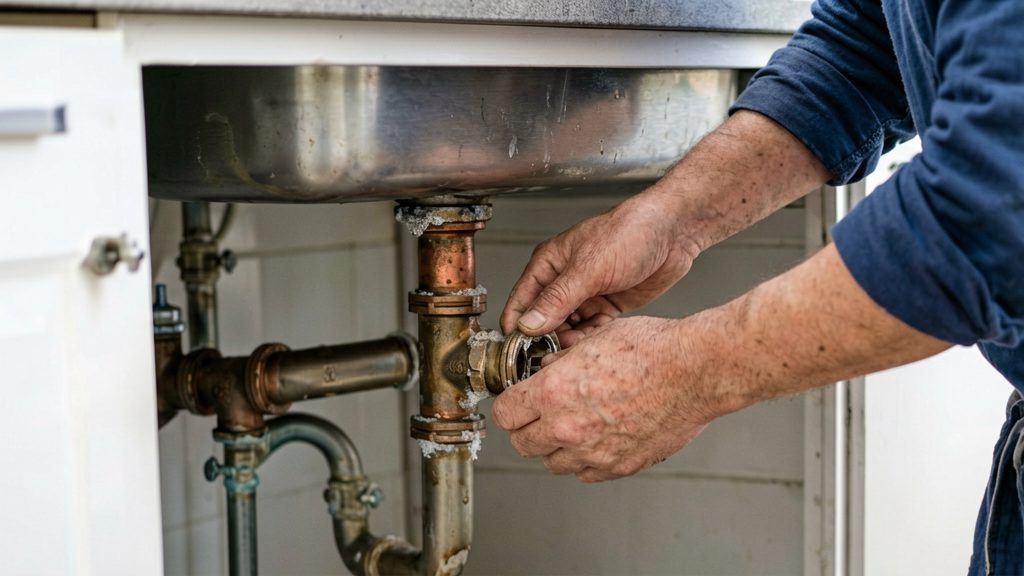
Replacing a sink shut-off valve step by step
The job runs in a fixed order: cut the water at the source, drain the line, unscrew the old stop, fit the new one, then check for leaks before you close the cabinet. Skipping the drain step and overtightening are two mistakes to avoid on this job.
Shut off the supply and drain the line
Close the main water supply first. Then open the kitchen faucet and the other faucets on the highest floor of the house, working down, so the pressure in the lines drops. Keep a bucket under the old valve before you loosen anything, because water left in the supply pipe will drain out when the nut comes off.
Loosen the old valve with two wrenches
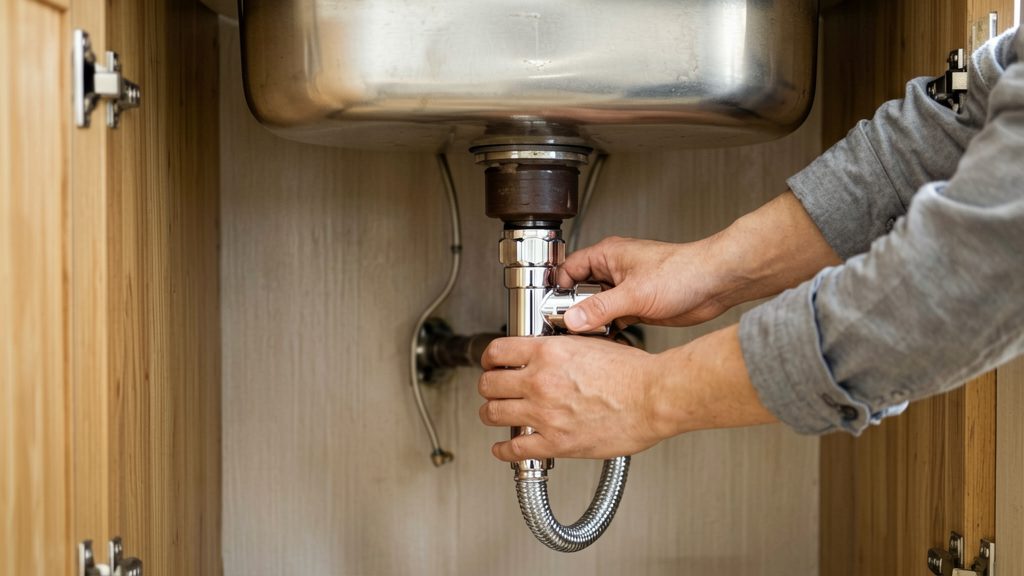
Place one wrench on the valve body and the second on the compression nut where it joins the supply pipe. Hold the body still while you turn the nut, so you do not twist the pipe behind the wall. Do the same on the faucet side. Once both nuts are loose, remove the faucet supply line and slide the old valve off the pipe. The old compression ring may stay on the pipe, and if it will not come off without damaging the pipe, call a licensed plumber.
Fit the new stop
Check that the new valve’s inlet and outlet match the supply pipe and the faucet supply line before you fit it. Ideally, compare it with the old valve before you start the job. Connect the inlet to the supply pipe and the outlet to the faucet supply line, then tighten each compression nut with two wrenches, stopping once the joint is snug. Overtightening a compression nut can crush the ferrule and cause a leak that appears later.
Restore water and check for leaks
Open the main supply slowly, then open the new stop so air can escape from the line. Keep a dry cloth under both connections. Watch each joint for several minutes under normal pressure, and wipe the fittings dry so any seep shows up clearly. If a joint drips, close the stop, check the nut is seated, and tighten it a fraction more with two wrenches. Do not close the cabinet until both connections stay dry.
When should you call a licensed plumber?
A kitchen-sink shut-off replacement stays a homeowner or tenant job only while the valve, the pipe and the surroundings are straightforward. Plumbing rules vary by province, so check with your local authority whether a permit or a licensed plumber is required. If any of the situations below applies, stop and call a licensed plumber.
| Situation | Action |
|---|---|
| The stop seizes and won’t turn | Stop. Forcing it can break the valve or the supply pipe. |
| The joint still drips after you retighten it | Shut off the main and call a plumber. Retightening beyond the snug point is not the fix. |
| The valve body or supply pipe shows corrosion | Call a plumber before reusing the connection. |
| The valve connection can’t be matched to the pipe | Call a licensed plumber. |
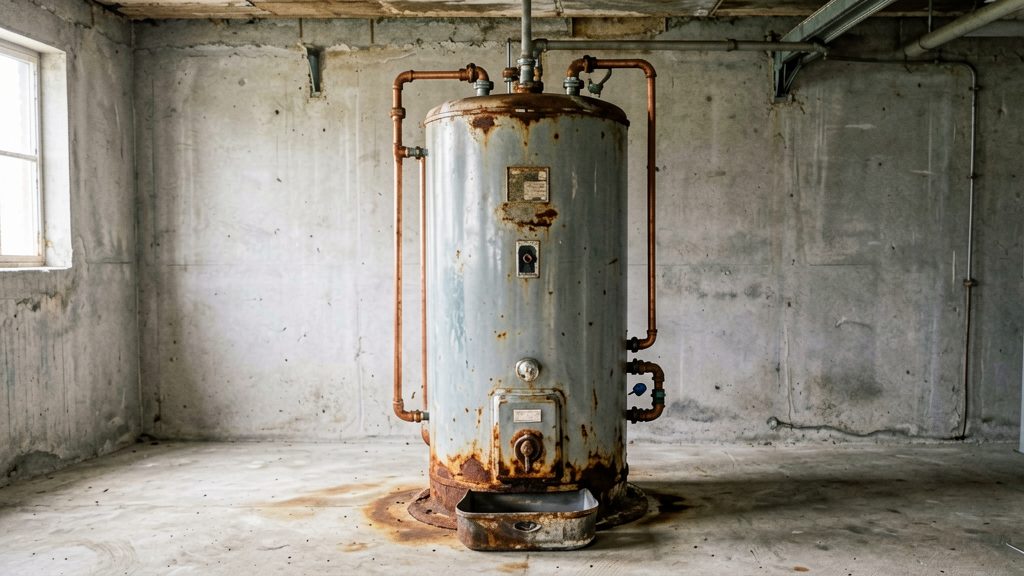
| A gas line or water heater connection is in the work area | Gas work is outside DIY scope. Keep clear and call a licensed plumber or gas fitter. |
| The line feeds a recirculating system with continuous temperatures above 115°F | This BrassCraft valve is not meant for that use. Call a licensed plumber to choose a suitable valve. |
If the joint still leaks, do not keep tightening. The fitting or pipe may be damaged, so shut off the water and call a licensed plumber.
Tenants should not replace or alter plumbing without the landlord’s approval, ideally in writing. Responsibility for plumbing repairs depends on your lease and your province’s tenancy rules, so check the lease and ask the landlord to arrange a licensed plumber. If you disagree about who is responsible, contact your provincial residential tenancy authority or seek legal advice.