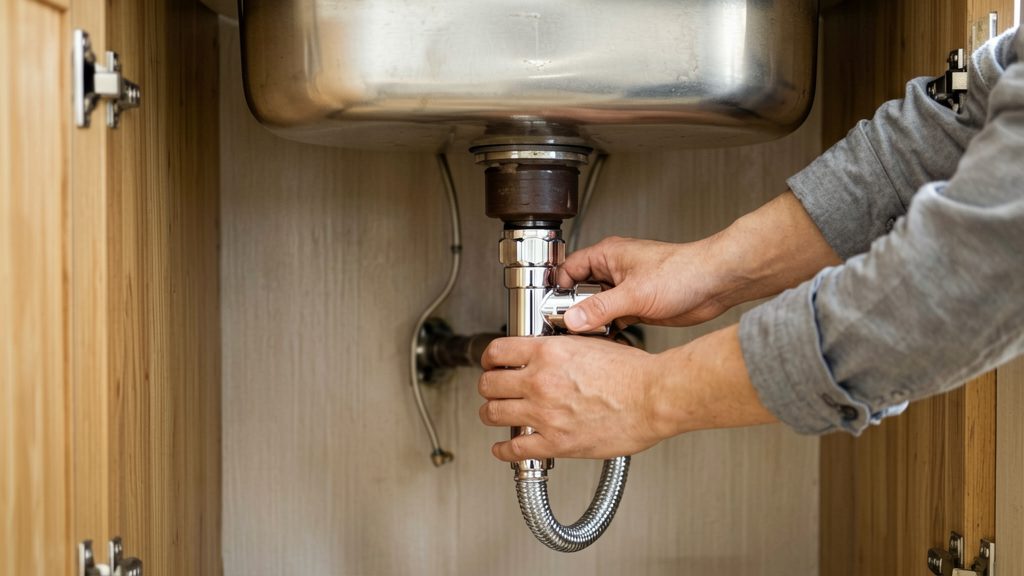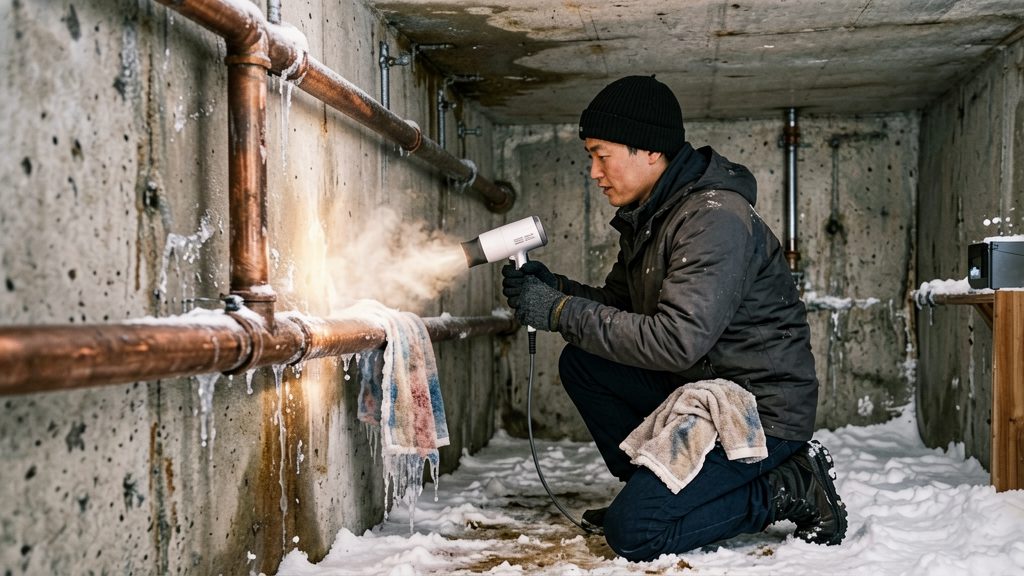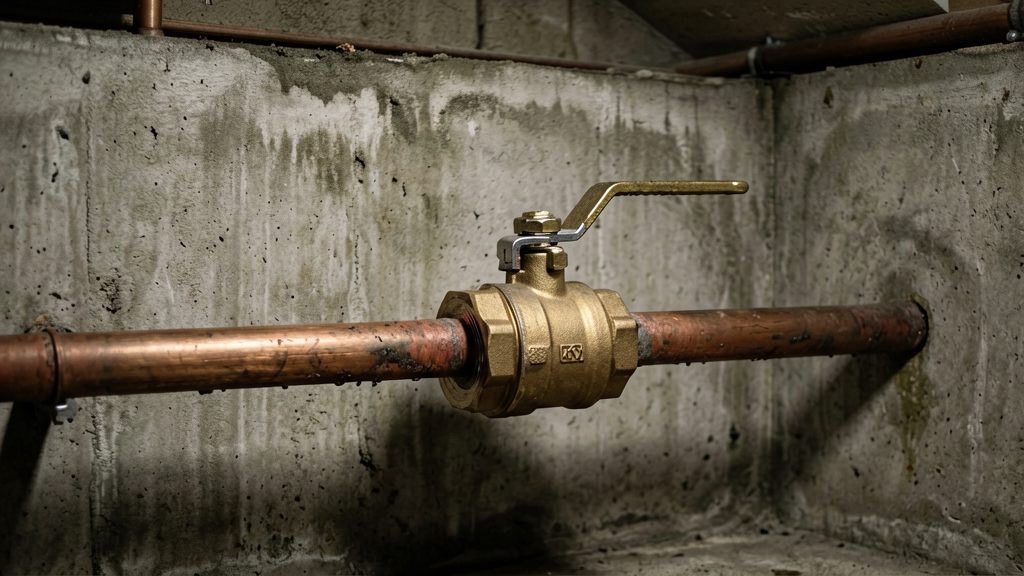
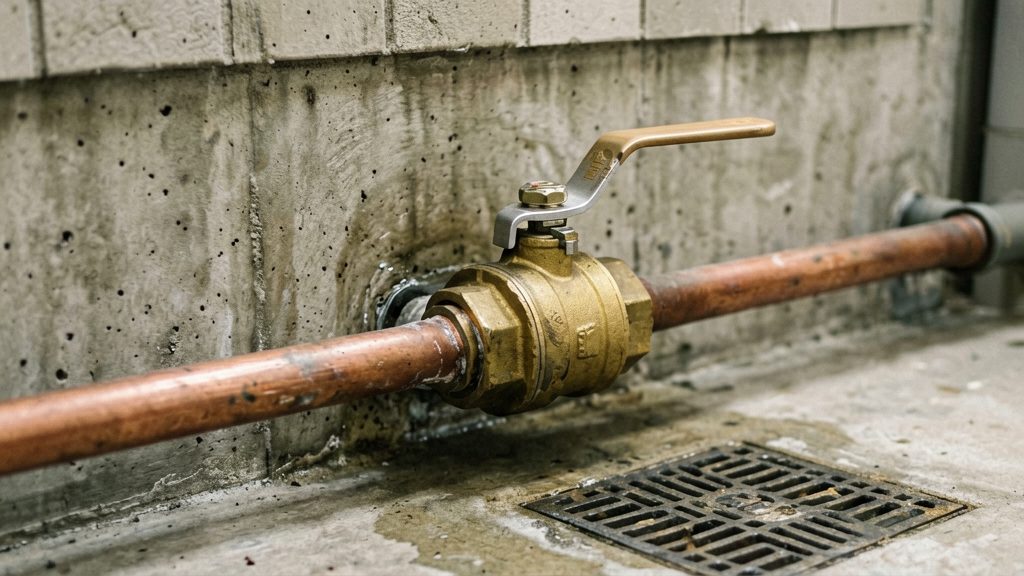
In the homes covered by the sources below, the indoor main shut-off valve is usually near where the water line enters the house, often in the basement. Homes with a crawlspace or slab foundation place it differently, as described below.
Where is the main water shut-off valve in a Canadian home?
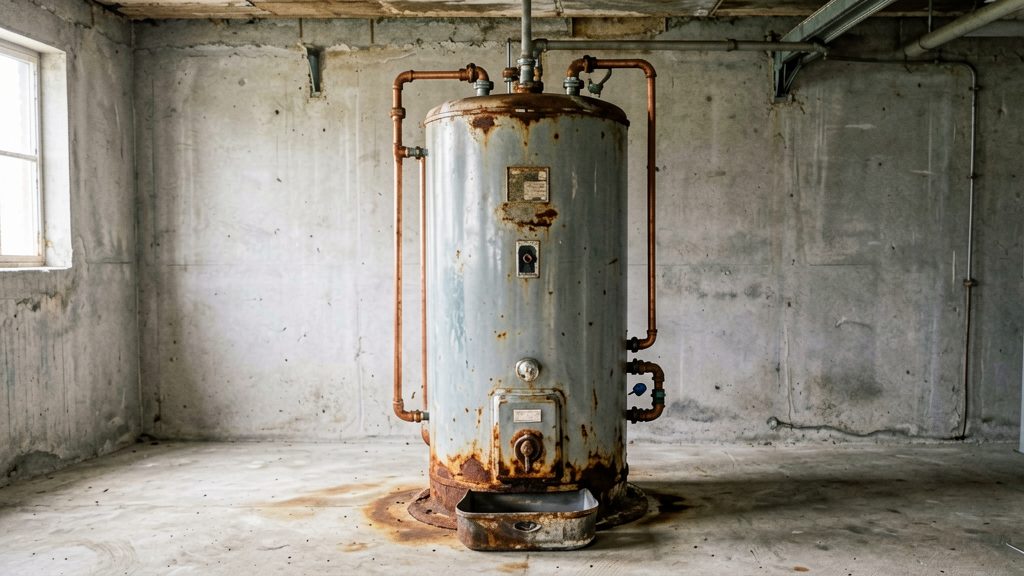
Calgary: beside the tank or below the meter
According to the City of Calgary (2026), the indoor valve is usually near the water tank, typically in the basement close to the floor. It can also be on the pipe entering the house, below the water meter. Check the tank area first, then trace the pipe from where it comes through the wall.
Edmonton: on the entry pipe before the meter
According to EPCOR (2026), the homeowner’s main shut-off is next to the water meter, usually in the basement. It is the valve located before the meter, on the pipe coming from the outside wall. A valve installed after the meter does not control the whole supply.
Basement, crawlspace and slab homes
According to Mr. Rooter Plumbing (Canada) (2026), in a home with a basement or crawlspace the main valve is usually on a wall near the front of the house. On a slab foundation, which has no basement, it is often near the water heater or in the garage.
Where is the outdoor shut-off valve in Calgary and Edmonton?
The outdoor shut-off is not always in the same spot, because its placement depends on the city and the lot layout. Calgary and Edmonton follow different patterns, so identify your city’s pattern before searching the yard. Searching blindly around the house wastes time and can damage lawn, paving or landscaping.
Calgary: front, back and side yards
The Calgary outdoor service valve is usually in the front, back or side yard. It typically sits in the lawn, the driveway or a private sidewalk (City of Calgary, 2026).
Calgary: alley placement
Where a home backs onto an alley, the valve can occasionally sit just outside the back fence line rather than inside the yard. Check the strip of ground between the fence and the alley before searching the rest of the property (City of Calgary, 2026).
Edmonton: curb stop at the property line
The Edmonton curb stop sits at the property line, which in practice means the driveway, the front lawn or the back alley (EPCOR, 2026). Because the valve can rise as the ground thaws, check its position after the spring thaw rather than assuming it has stayed where it was installed (EPCOR, 2026).
Indoor valve vs the street curb stop: who owns what?
Responsibility for a home’s water supply is split at the property boundary, and the split depends on the city. The table summarises who owns and operates each part in Calgary and Edmonton.
| Part of the system | Calgary | Edmonton |
|---|---|---|
| Outdoor valve | Owned and operated by the City (City of Calgary, 2026) | Curb stop at the property line, operated only by EPCOR (EPCOR, 2026) |
| Who can turn it off or on | The City, through a request | Only EPCOR (EPCOR, 2026) |
| Pipes from the outdoor valve to the home | Owner’s responsibility (City of Calgary, 2026) | Not specified in the sources used here; ask EPCOR or a licensed plumber |
In Calgary, the City-owned outdoor valve is the City’s to operate, so a homeowner who needs it closed or opened must request that through the City. The water lines from that valve into the house are the owner’s to maintain.
In Edmonton, the curb stop at the property line can be turned only by EPCOR (EPCOR, 2026).
The homeowner’s side in Edmonton starts at the homeowner’s main shut-off.
After closing the homeowner’s valve, open the hot and cold faucets until the flow stops, which releases the pressure left in the pipes (Mr. Rooter Plumbing (Canada), 2026).
How do you turn off the main water valve?
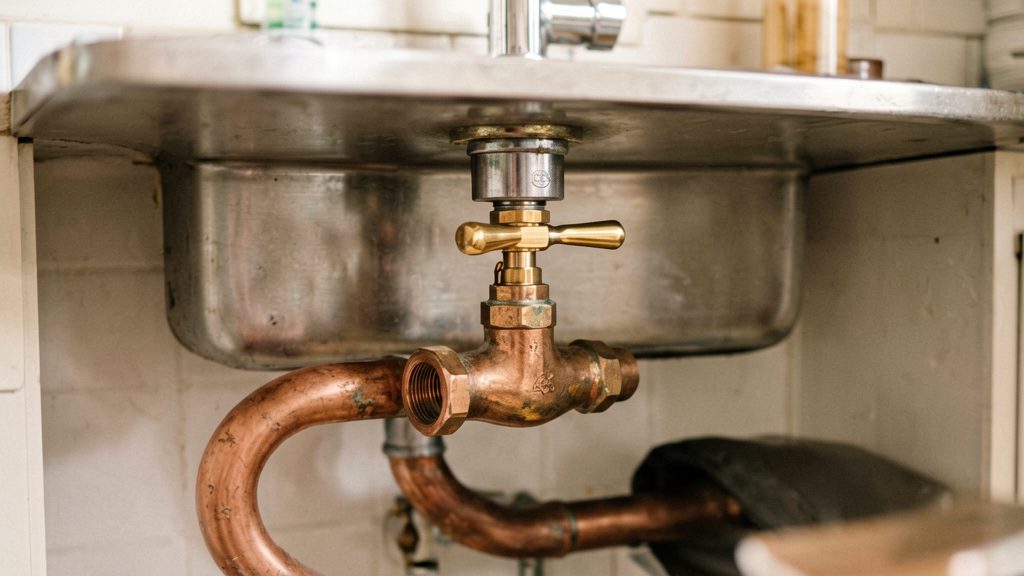
Indoor main shut-offs are usually either quarter-turn ball valves or multi-turn gate valves, and each needs a different movement. Check which type you have before turning the handle, since forcing the wrong motion is a common way to damage one. In Edmonton, EPCOR identifies the homeowner’s main shut-off as a gate valve or ball valve (EPCOR, 2026). To close either type, turn the handle clockwise (Mr. Rooter Plumbing (Canada), 2026).
Quarter-turn ball valve versus multi-turn gate valve
| Feature | Quarter-turn ball valve | Multi-turn gate valve |
|---|---|---|
| Handle movement | One quarter turn (90 degrees) between open and closed | Many turns, with the handle rotating clockwise to close |
| Handle position | Lies parallel to the pipe when open and across it when closed | Does not show the valve state, so check the stem’s position |
| Closing speed | Fast. A quick quarter turn stops flow almost at once | Gradual. Each turn moves the gate a little |
| Partly open | Throttles flow and can cause vibration | Leaves the gate in the flow path, which can wear the sealing faces |
With a ball valve, rotate the handle in one steady quarter turn and stop when it lines up across the pipe. With a gate valve, turn the handle clockwise until it stops, counting turns if you need to return it to the same position.
Closing gradually to reduce pipe banging
Stopping flow abruptly can send a pressure shock through the pipes, which produces the banging known as water hammer. For a ball valve, this means turning the handle through its quarter turn over a second or two rather than flicking it. For a gate valve, keep the turns even and avoid slamming the handle at the end of its travel.
Keeping the valve fully open or fully closed
Operate the valve only between its two end positions. A partly closed valve restricts flow, and a gate valve held partly open can vibrate and wear its internal parts over time. After shutting off, return the valve fully open before you rely on it again.
What if the valve is stuck or leaking?
A stiff or leaking main valve usually has a mechanical cause, but the repair itself is a job for a professional. Outdoor valves in Calgary are handled differently: the City takes requests about them.
Stiffness and leaks from mineral deposits and grit
Mineral deposits build up on the moving parts of a gate or ball valve over time, and grit carried in the water can lodge inside it. Either can stop the valve from turning smoothly or stop it from sealing tightly, which shows up as a stiff handle or a drip at the valve body or stem.
Outdoor valves and when to call 311 in Calgary
In Calgary, call 311 about an outdoor valve that needs raising or lowering, is missing its cap, or is leaking (City of Calgary, 2026).
When to call a licensed plumber
A plumber can determine whether the valve needs cleaning, a new packing or seal, or full replacement, and can work on the pipe connections without damaging them.
Tenants and condo owners: who do you call?
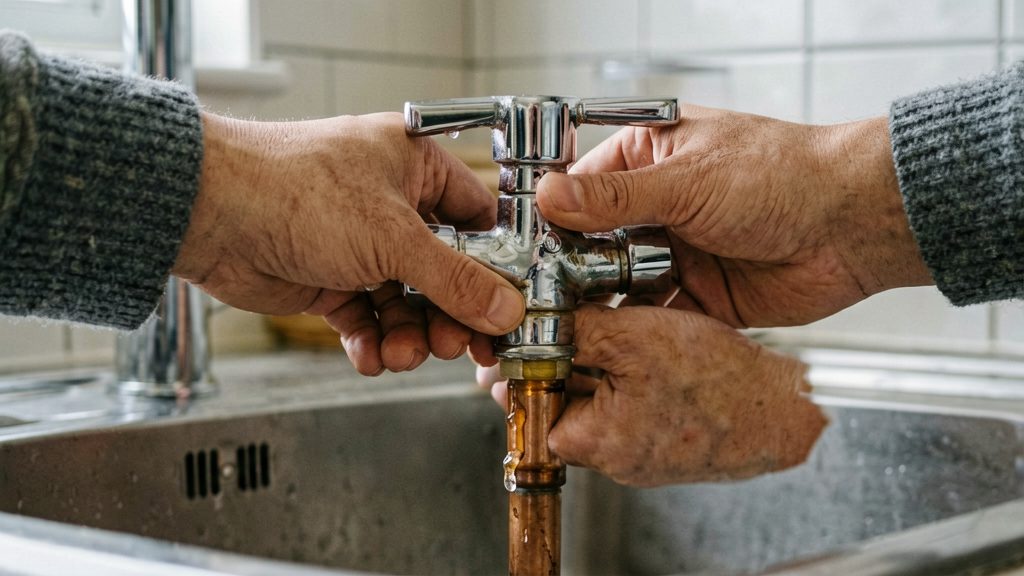
When water is shut off for a whole building, the landlord or building manager usually makes the decision. According to EPCOR (2026), in multi-residential buildings you should contact the building manager to shut off water to the property. Don’t operate a building-wide valve yourself unless the manager has asked you to. If water is escaping inside your unit, close your own unit’s shut-off valve if you can reach it, then contact the building manager right away.
Building-wide shut-offs
Who you contact depends on where the valve sits and which utility or owner controls it:
| Situation | Who to contact |
|---|---|
| Multi-residential building, water needed off for the whole property | Building manager |
| Edmonton curb stop at the property line | EPCOR only, at 780-412-4500 |
| Calgary outdoor service valve | City of Calgary, through 311 |
The City of Calgary (2026) and EPCOR (2026) set these routes for their own service areas. Outside those cities, rules on who may operate municipal valves vary by municipality, so ask your local water utility.
Shared risers and common pipes
In a condo, pipes that serve several units, such as risers and common lines inside walls or ceilings, are generally the association’s responsibility rather than an individual owner’s. The exact division depends on your condominium declaration and bylaws, so read those documents before assuming who handles a repair. If responsibility is disputed, ask the board for its position in writing or get legal advice. Report leaks in common areas to the board or property manager as soon as you notice them.
Recording who was notified and when
Keep a written log for every report:
- Date and time of the call, message or visit
- Name and role of the person you reached
- Contact method used
- What you reported and what they said in reply
Follow up phone calls with a short email so the report exists in writing. Dated photos of the leak or damage support the log.
Quick household emergency checklist
When water is escaping, stop the supply at the main shut-off valve before you deal with the damage. Work through the steps in order and don’t stop to find the source of the leak first.
Immediate first steps:
- Go to the main shut-off valve as soon as you can reach it.
- Keep electrical risks away from the water. If water is near outlets, switches or appliances, stay out of it. Never step into standing water to reach the breaker panel. Cut power to the affected area only if the panel is dry and you can reach it without touching water; otherwise call a licensed electrician or your electric utility.
- Start limiting damage. Move valuables and rugs out of the water’s path, and catch dripping water with buckets or towels.
- Confirm the flow has stopped (see below).
Keep a wrench and a flashlight near the indoor valve. A flashlight helps when the space is dim, and a wrench helps if the valve is stiff.
To confirm the shut-off, open the nearest hot and cold faucets and check that they run dry, according to Mr. Rooter Plumbing (Canada) (2026). If either one still runs, the valve has not stopped the supply to the home.